
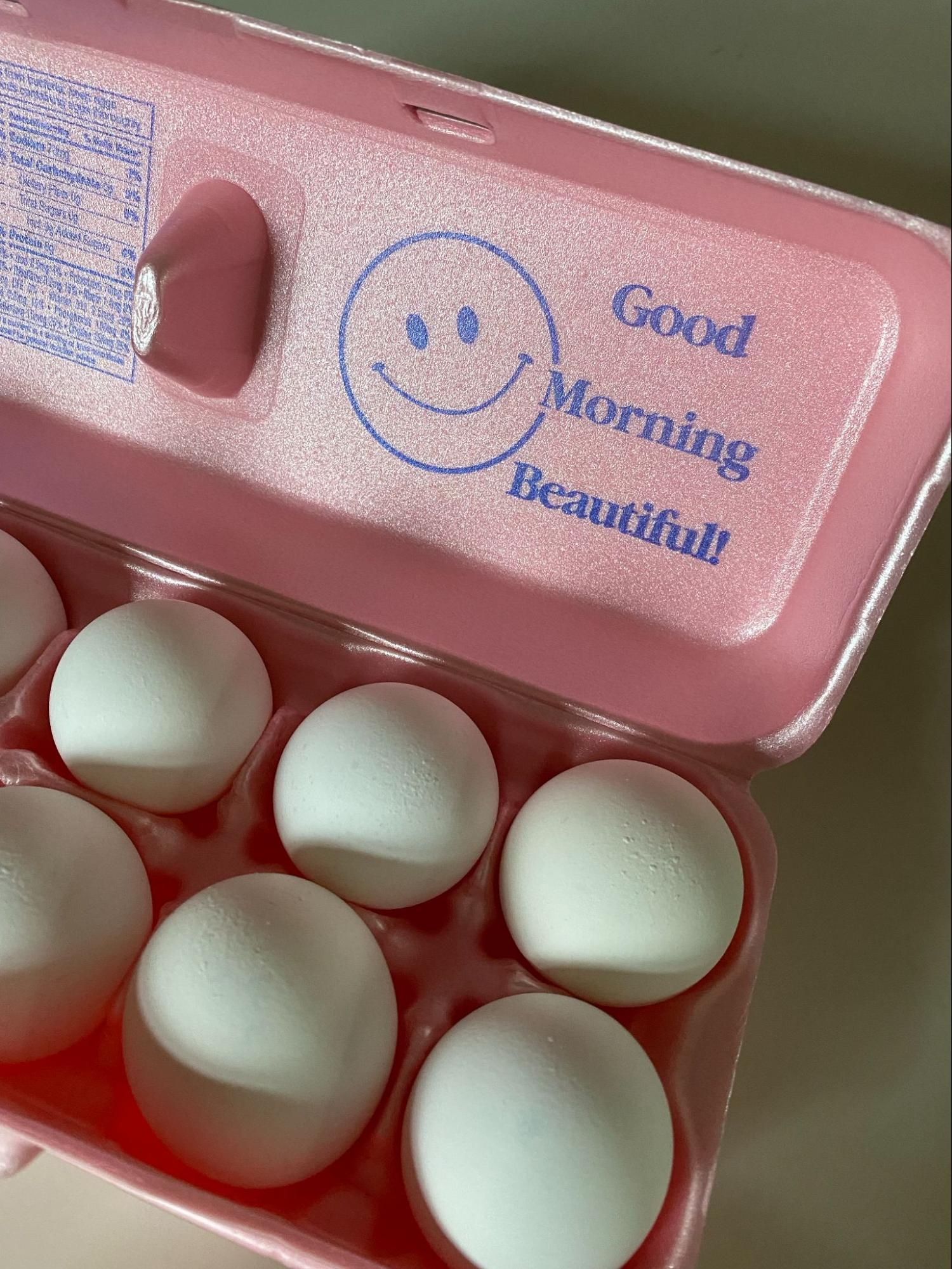

We are what we eat, and sperm is no exception. Sperm production and sperm health are strongly influenced by nutrition.
If you want to use your diet to support male fertility, getting enough protein is crucial.
So why are some of the best foods for male fertility protein based? In this blog I’m going to look at what can affect sperm health and male fertility, the role of protein in sperm health, and how you can uncover the individual root causes that may be affecting your sperm health (or your partner’s).
In short
- Protein is a building block for sperm, so it matters for count, concentration and motility.
- “Normal” on a semen analysis is a low bar. What supports fertility is optimal.
- Food first. Protein powder is a top-up, not a substitute.
- Testing can show what’s behind the numbers, from thyroid and adrenals to minerals and DNA fragmentation.
Male fertility is in decline
But instead of looking at why this is happening, the standard for what counts as a “normal” sperm sample has been lowered. Under the current World Health Organization guidance, only 4% of sperm needs to have a normal shape under the microscope for a sample to be considered within the normal range. That is a huge drop from the old minimum of 30%.
It’s also worth knowing that this 4% figure doesn’t always paint the full picture of fertility. Lab techniques, how the technician assesses the sample, and even how the sample is handled can all influence the result.

This matters because aiming for the bare minimum isn’t enough when you’re trying to conceive. Optimal sperm count, quality and motility is what supports fertility.
When we’re looking at sperm health, there are several areas to optimise:
- Sperm count: how much sperm is present in a semen sample
- Sperm motility: how effectively sperm can travel to meet and fertilise an egg
- Sperm morphology: the structure and shape of sperm cells, which can affect motility
- Semen volume: how much semen is produced when ejaculating
- DNA fragmentation: whether the sperm’s DNA has been damaged, and the extent of it
As many as 1 in 4 men with a “normal” (not necessarily optimal) sperm analysis can have sperm DNA fragmentation. This is damage to the genetic material in the sperm, which can affect embryo quality, fertilisation and implantation, and can increase the risk of miscarriage.
There can be many reasons for suboptimal sperm health, but some of the most common nutrition and lifestyle factors include:
- Thyroid imbalances: too much or too little thyroid hormone can affect male fertility. An overactive thyroid can reduce sperm count and motility and affect morphology. An underactive thyroid can also contribute to fertility issues, particularly morphology.
- Lack of sleep can affect sperm count.
- Poor adrenal health can affect testosterone levels and sperm quality.
- Oxidative stress is a major culprit in DNA fragmentation.
Making sure your diet and lifestyle support optimal reproductive and sperm health is crucial, and protein is a great place to start.
Why protein is essential for sperm health and male fertility
If you’re wondering which foods to eat to support male fertility, high quality protein sources should be high on the list.
Protein is a building block in the body and crucial for sperm production. Without enough protein, it’s much harder to support sperm count, concentration and motility.
Lean protein such as chicken and turkey, fatty fish such as salmon and mackerel, shellfish, eggs, nuts and seeds provide a variety of nutrients that are essential for male fertility:
- Chicken and turkey
- Salmon and mackerel
- Shellfish
- Eggs
- Nuts and seeds
- Amino acids that are needed for DNA synthesis and healthy cell division.
- Zinc for sperm motility, maintaining optimal sperm shape and testosterone production. Men with lower zinc levels can be more likely to have a lower sperm count and poorer motility.
- Selenium and CoQ10 for motility, healthy sperm development and protection against oxidative stress.
- Choline for sperm motility.
- L-carnitine (an amino acid found in red meat, cod, whole milk and chicken) for motility.

Protein foods can also be a good source of antioxidants and amino acids that help protect against DNA fragmentation.
How much protein you need depends on your age, weight, activity levels and health goals (fertility, in this case).
Does protein powder affect male fertility?
You may be wondering if protein powder is a good way to support male fertility.
It’s an easy and convenient way to boost protein intake, but I always recommend a food first approach, with nutrient dense protein sources as the priority.
Getting enough protein from your diet also gives you a range of essential nutrients that are crucial for male fertility. It also means you’re unlikely to take in an excessive amount of protein, which could affect hormone balance, increase oxidative stress and damage sperm cells.
Protein powder should be a supplement to nutrient dense protein sources, not a substitute.
If you do choose a protein powder, look for one without artificial sweeteners, additives and heavy metals, so you’re not inadvertently affecting your fertility.
Functional testing to look at sperm health
Hair tissue mineral analysis (HTMA) can tell us a lot about health and fertility, including thyroid health, adrenal health, toxic mineral status, hormone balance and gut health.
As we’ve seen in this blog, sperm health can be strongly affected by the thyroid, the adrenals and mineral status, particularly zinc, magnesium, calcium and sodium.
If you want a deeper understanding of what could be affecting male fertility, you can arrange HTMA testing through me, and I’ll interpret the results for you too, so you know how to act on the findings.
A semen analysis can tell you about sperm count, motility and morphology, but it tends not to include DNA fragmentation. That can be tested separately.
Want to look deeper at what could be affecting sperm health?
How my client went from zero sperm count to a baby in just three months
We used bloodwork and HTMA testing to uncover the root causes of his zero sperm count. In his case, hidden mineral deficiencies and metal toxicities were affecting his fertility.


With that knowledge, we could use targeted nutrition, lifestyle changes and supplements to address his specific needs and support his overall health and fertility.
Because we were able to address the reasons for his zero sperm count, we could take steps to change it.
Other ways I can support you to improve your sperm health
Download my free 5 protein packed breakfasts to support fertility
There is so much conflicting advice online about the best diet for fertility that it’s hard to know what really works. This free guide helps you start your day with the right nutrients, through protein-rich breakfasts that support hormone balance and energy levels, and ultimately your fertility.
Eat your way to better fertility
A step-by-step fertility nutrition plan, delivered straight to your inbox, so you know exactly what to eat and why.
Work with me
You can work with me through my 3-month Nurturing Fertility programme (for individuals and couples), or through 1:1 consultations, to look after your nutrition and lifestyle and support your sperm health.

Hi, I’m Nadine
I’m a fertility nutritionist. I’ve been through 4 rounds of IVF, 3 miscarriages and an ectopic pregnancy, so I know how hard this road can feel. I help women and couples find what is really going on and support their bodies properly.
Sources: Levine et al., Human Reproduction Update, 2022 (global sperm count trends). World Health Organization laboratory manual for the examination of human semen, 6th edition, 2021 (reference limits). This blog is general information, not medical advice.